Blog / Service

Get Your Porsche Ready for Winter the Right Way!

Porsche Ready for Winter

How to Prepare Your Porsche for Winter

Winter driving can be challenging, but it's no match for a well-prepared Porsche. At Porsche Santa Clarita, we know how much you value your Porsche and want to keep it in peak condition. Whether you drive a classic or a newer model, preparing your vehicle for icy and snowy conditions is essential for safety and performance. That's why our team in Santa Clarita, CA, has put together a list of tips to prepare your Porsche for winter!


Essential Tips for Porsche Care During Monsoon


6 Tips to Keep Your Porsche Winter-Ready

Switch to Winter Tires for Maximum Grip

Winter tires have softer rubber compounds and deeper treads to handle snow, ice, and wet roads. They offer more substantial traction and reduce braking distances significantly compared to summer tires. For instance, Porsche Tequipment Winter Tires can shorten braking distances by up to 19% on icy roads, ensuring you stay safe even in tricky conditions. When choosing winter tires, you can look for the M+S (mud and snow) marking and the Alpine symbol (a three-peak mountain with a snowflake) on the sidewall. These markings guarantee certified performance in winter weather.

Boost Traction with Snow Chains

Snow chains are a brilliant addition if you're tackling snowy mountain roads or facing severe weather. Porsche offers easy-to-install fine-link chains explicitly designed for its models. For 18-inch wheels, snow chains can go on all four wheels. For larger wheels, install them on the rear axle only. However, remember that snow chains aren't compatible with aftermarket wheel spacers.

Check and Replace Fluids

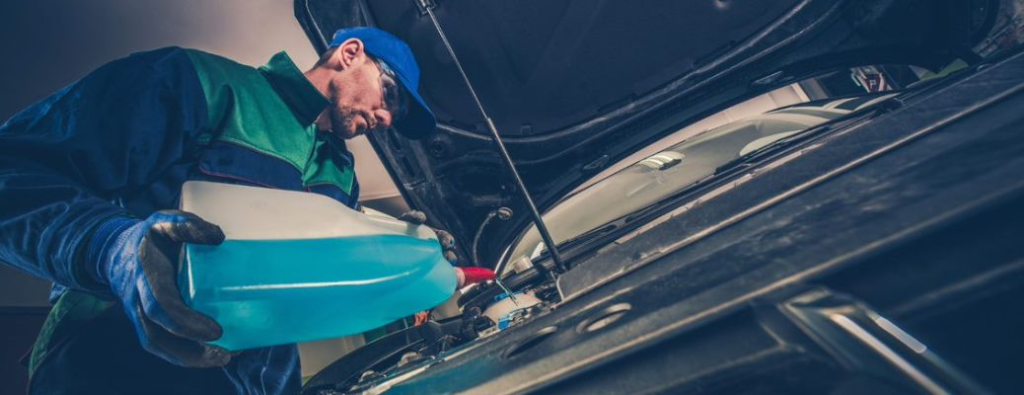
Top off or replace engine oil, brake fluid, transmission fluid, and windshield washer fluid with winter-grade options. Use antifreeze to prevent engine trouble, and consider Porsche's winter window cleaner concentrate for a clear windshield even in frosty conditions.
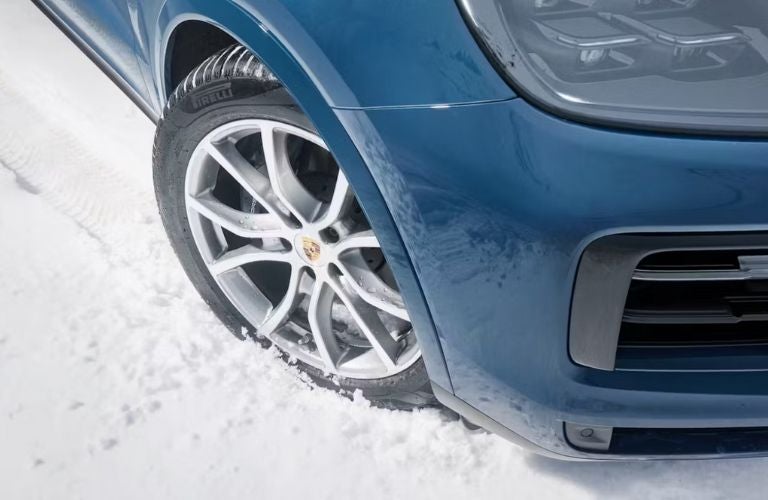
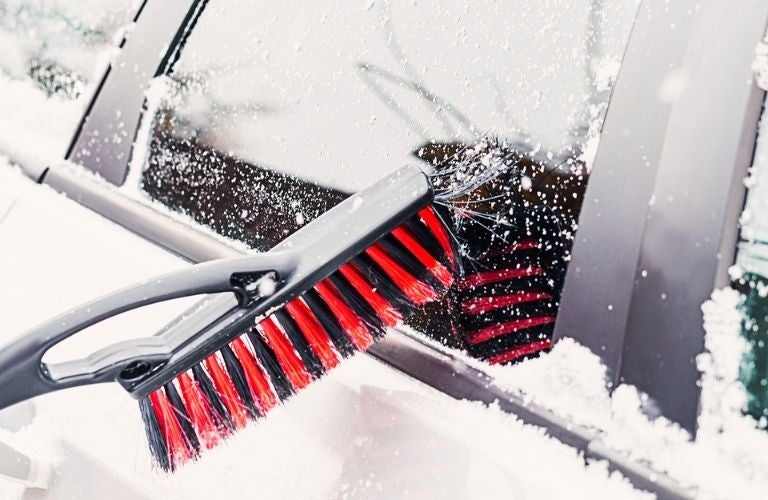
image of a Porsche tire in snowremoval of snow from a car's window

Protect Against the Elements

Apply a silicone-based lubricant to door and window seals to prevent damage from ice. Additionally, a winter wax coat will shield your Porsche's exterior from road salt and moisture, guarding against rust and corrosion.

Keep the Battery Healthy

Cold weather drains car batteries faster. To maintain battery health, use a Porsche Charge-o-mat Pro trickle charger, especially if your car isn't driven daily.

Warm Up with a Block Heater

Consider using a block heater if you park outside in harsh winter conditions. It pre-warms the engine, making starts easier and reducing strain on components. After warming, let the car idle briefly before driving for optimal engine performance.


How to Install a Roof Tent on Your Porsche?


Preparing your Porsche for winter ensures a smoother, safer driving experience. You can bring your vehicle to us at Porsche Santa Clarita by scheduling a service appointment. You can also contact our team in Santa Clarita, CA, to learn more about keeping your Porsche ready for winter driving!


4 Easy Ways to Keep Your Porsche Tires in Top Condition

Posted in:

Related Posts

How Often Should You Service a Porsche in California?

How Often Should You Service a Porsche in California?

Understanding Porsche Recommended Service Intervals Precision defines every Porsche model. However, even precision needs care. Regular service keeps performance sharp and reliable. California roads add unique demands. Heat, traffic, and coastal air impact wear over time. Therefore, a clear maintenance routine matters. Drivers who follow service schedules protect long-term value. Moreover, timely care prevents costly repairs later. If you drive in California, staying proactive is essential. For expert care, trust our dealership, Porsche Santa Clarita in California. Our certified technicians understand every detail. Schedule Service Contact Us Key Porsche Maintenance Milestones Every 10,000 Miles: Routine service begins here. Oil changes are essential. Filters get replaced. Technicians inspect brakes and tires. This step protects engine health. Every 20,000–40,000 Miles: Deeper maintenance follows. Brake fluid replacement becomes necessary. Air filters and cabin filters need attention. Battery checks also matter. Major Service Intervals: Larger services occur at higher mileage. Spark plugs require replacement. A transmission service may be needed. These steps ensure long-term reliability. Complete Guide to Porsche Brake Maintenance for Everyday and Performance Driving Why California Driving Conditions Matter California creates unique challenges. Traffic congestion increases idle time. Engines run longer without movement. This leads to faster wear. Heat also plays a major role. High temperatures stress engine oil and cooling systems. Coastal areas add salt exposure. Over time, this affects metal components. Long highway drives are common too. While smoother, they still demand regular inspections. Therefore, California drivers should never skip annual service. Signs Your Porsche Needs Immediate Service Even with a schedule, warning signs appear. Watch for dashboard alerts. Unusual engine noises also signal problems. Reduced performance is another clue. Slower acceleration or rough shifting should not be ignored. Fluid leaks or vibrations need quick attention. Acting early prevents major damage. Benefits of Regular Porsche Maintenance Routine care delivers strong benefits. First, performance stays consistent. Engines run smoother and respond faster. Next, resale value improves. A well-maintained Porsche attracts better offers. Service records build buyer confidence. Finally, costs stay controlled. Preventive maintenance avoids expensive repairs. Over time, this saves money and stress. Porsche Ceramic Composite Brakes Explained: Engineering Behind Superior Stopping Power Schedule Your Porsche Service in California Staying on schedule keeps your Porsche running strong. Expert care makes all the difference. We, at Porsche Santa Clarita in California, offer factory-trained technicians and genuine parts. Book your service today and drive with confidence. Regular maintenance keeps performance alive, mile after mile.

Guide to Porsche Brake Maintenance

Complete Guide to Porsche Brake Maintenance for Everyday and Performance Driving

Porsche Brake Care Tips for Everyday and Performance Driving Strong brakes define every Porsche experience. From city streets to canyon roads, stopping power matters just as much as acceleration. That is why smart owners follow proven Porsche brake care tips for everyday and performance driving. Proper brake maintenance preserves performance and keeps you safe on every drive. Keep reading to learn more about Porsche brake care tips for everyday and performance driving from our team at Porsche Santa Clarita in Santa Clarita, CA. Schedule a Service Appointment Contact Us OEM vs. Aftermarket Porsche Parts: What's Better for Service? Top 5 Tips to Maintain the Brakes of Your Porsche Porsche engineers design braking systems for precision and endurance. However, daily traffic and spirited drives both create heat and wear. Therefore, consistent brake care helps maintain a sharp pedal feel and reliable stopping distances. 1. Inspect Brake Pads and Rotors Check brake pads for thickness and even wear. Thin pads reduce stopping power and increase rotor damage risk. Moreover, worn pads may cause squeaking or grinding noises. Rotors should remain smooth and free of deep grooves. If you notice vibration during braking, warped rotors could be the cause. Routine inspections at certified service intervals prevent costly repairs later. 2. Monitor Brake Fluid Condition and Levels Brake fluid plays a critical role in performance driving. Over time, it absorbs moisture and loses effectiveness. As a result, brake fade may occur under hard braking. For everyday drivers, fluid checks during routine service visits are essential. Performance drivers should consider more frequent inspections. Fresh brake fluid maintains consistent pedal response and reliable stopping power. 3. Practice Smooth Braking Habits Driving habits directly impact brake longevity. Gradual braking reduces heat buildup and component stress. Furthermore, anticipating traffic flow prevents sudden hard stops. On spirited drives, controlled braking preserves rotor life. Avoid riding the brakes downhill for extended periods. Instead, use engine braking when appropriate. 4. Allow Proper Cooling After Performance Driving Track sessions and canyon runs generate extreme heat. Consequently, brakes need time to cool properly. After aggressive driving, avoid immediately engaging the parking brake. Heat trapped between pads and rotors can cause uneven wear. Instead, drive calmly for a few minutes before stopping. This simple step protects braking components from premature damage. 5. Choose Genuine Porsche Parts Genuine Porsche brake components meet exact engineering standards. Aftermarket parts may not deliver the same precision or durability. Therefore, professional installation ensures proper fit and function. Certified technicians use factory tools and diagnostic equipment. In addition, they understand the demands of high-performance systems. Choosing an authorized service protects warranty coverage and performance integrity. How Often Do Porsche Vehicles Need Tire Rotation? Get a Brake Inspection for Your Porsche in Santa Clarita, CA Reliable braking builds confidence behind the wheel. By following these Porsche brake care tips for everyday and performance driving, you protect safety and performance. Regular inspections, fluid maintenance, and smart driving habits make a measurable difference. If your Porsche needs service, contact Porsche Santa Clarita in Santa Clarita, CA. Maintenance Tips Every Porsche Owner Should Know

Porsche Vehicles

When Should You Rotate the Tires on Your Porsche?

How Often Do Porsche Vehicles Need Tire Rotation? Keeping your Porsche performing at its best means paying attention to the details, especially tire care. At Porsche Santa Clarita in Santa Clarita, CA, we know every component of your vehicle plays a role in its driving experience. One small but important part of that is regular tire rotation. While it may not seem urgent, it's key to preserving your Porsche's ride quality, grip, and tire longevity. Wondering how often Porsche vehicles need tire rotation? You're in the right place. Schedule a Service Appointment Contact Us Maintenance Tips Every Porsche Owner Should Know How Often Should You Rotate Your Porsche's Tires? Most Porsche owners should rotate their tires every 5,000 to 7,500 miles. That's the general guideline used for many performance vehicles. However, certain Porsche models have specific tire configurations that can change the interval. For example, staggered tire setups (the rear tires are larger than the front) require special attention. Some models may even use directional tires, which need rotating in specific patterns. Because of this, it's always best to check your owner's manual or consult the service experts at Porsche Santa Clarita. We'll make sure your rotation schedule fits your Porsche's exact design and usage. Why Tire Rotation Is Important for Performance Vehicles? Tires wear at different rates depending on their position on your vehicle. The front tires often wear faster because they handle steering and braking forces. For Porsche vehicles, especially those with staggered wheels or high-performance tires, uneven wear can lead to reduced handling precision or a less comfortable ride. Rotating the tires at regular intervals keeps tread wear balanced. This promotes better grip, stability, and fuel efficiency. Moreover, it helps you get the most out of every set of tires. Signs Your Porsche Needs Tire Rotation Even if you lose track of your mileage, your vehicle might give you subtle hints. If you notice unusual vibrations while driving or hear road noise increasing, uneven tread could be blamed. Likewise, if your Porsche pulls slightly to one side, it may signal tire wear on one side more than the other. Regular tire checks can catch these issues early. What Is the Porsche Protection Plan, and Is It Worth It? How Is Porsche Tire Rotation Different from Other Cars? Porsche vehicles use performance-tuned suspensions, unique tire sizes, and specialized tire compounds, unlike standard cars. That means not every tire rotation is created equal. For example, rotating tires on a Porsche 911 Turbo involves different steps than on a Porsche Macan. Some models won't allow a front-to-rear switch due to size differences. Instead, rotation options may sometimes involve side-to-side changes or even tire replacement. That's why Porsche-certified technicians are essential. They understand the design and engineering behind each model and use genuine tools and specifications to do the job right. Warning Signs of Worn Brakes on Your Porsche Get a Tire Rotation at Porsche Santa Clarita You get more than basic service when you schedule a tire rotation at Porsche Santa Clarita. You get the peace of mind that comes with factory-trained technicians, Porsche-specific equipment, and attention to every detail. Our service team in Santa Clarita, CA, will assess your tires, monitor wear patterns, and recommend the best rotation method for your specific model. We'll also provide a multi-point inspection and answer any questions you have about tire maintenance.